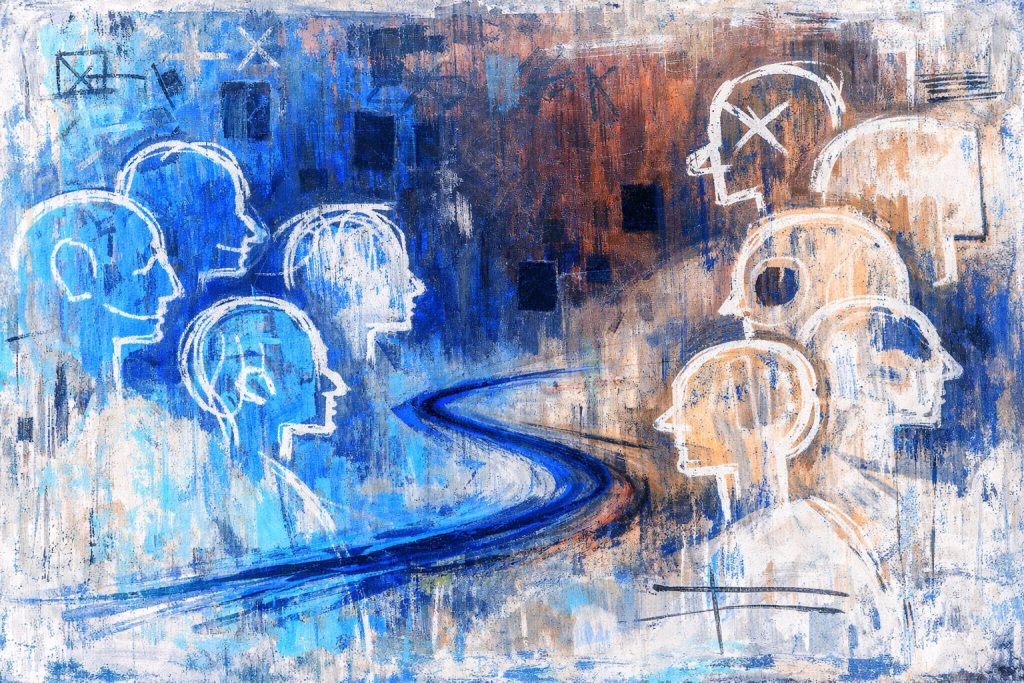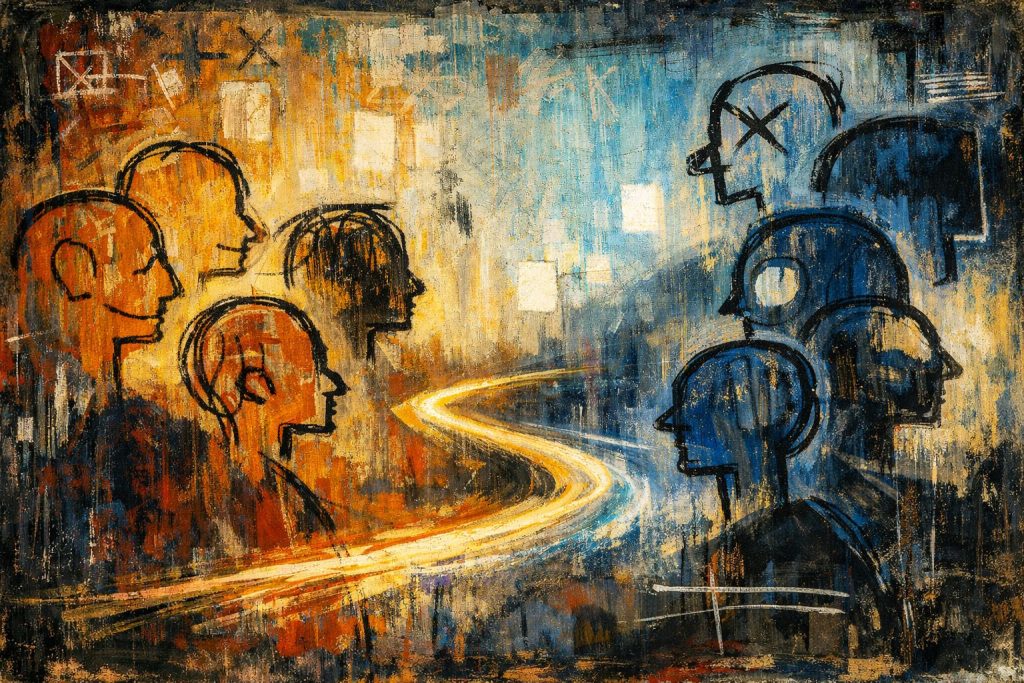
What is a place?
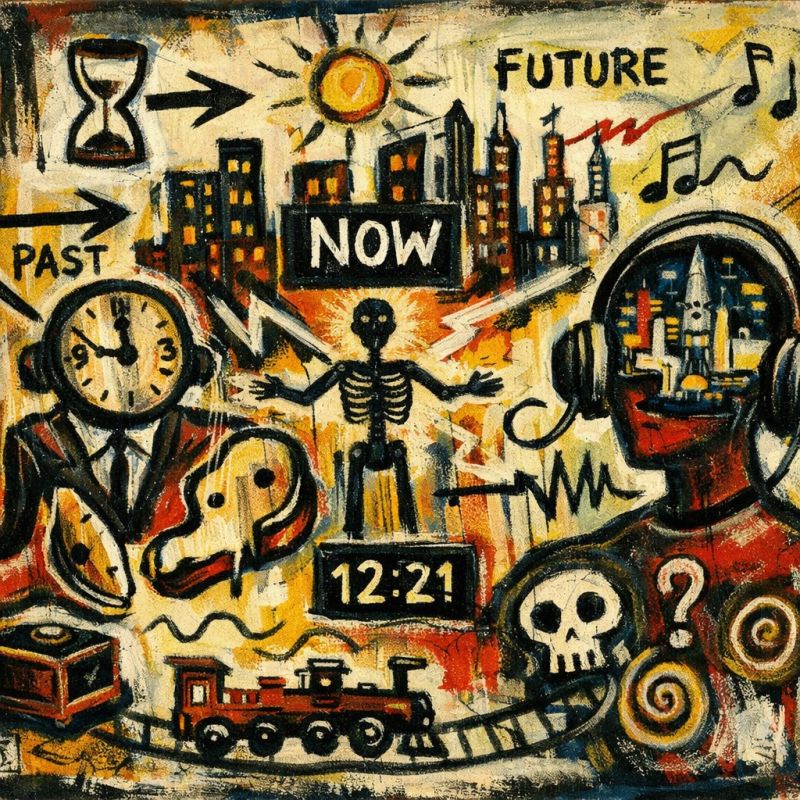
What is a place? A linkage of numbers within a coordinate system? A symbolic condensation, solidified through social agreement? Does the density of life transform a point into a place? Tyson Yunkaporta recounts that among Indigenous Australians, place and time are inseparable. A place does not exist without its corresponding time. This becomes plausible when we consider that a place is subject to constant change. It is dynamic. Our perception of a place at a given moment alters it and turns it into a singular space-time configuration.
Why is this of interest? Forgive me—one more question is necessary, but it will prove worthwhile: What would happen if we could separate our perceptual layers? The eyes perceive something different than the ears. The eyes remain in the present, while the ears inhabit the future or the past—these are the experiments we undertake with Sonic Traces. We superimpose one place upon another, temporally and acoustically. The dynamism and tensions arising from this divergence are astonishing. Cracks emerge that may allow us to recognize what connects this place across time. It is not merely a double layer that appears; a new, connective dimension becomes experientially accessible. This lies at the heart of the work conducted at many cultural heritage sites. And that is why realizing such projects is so profoundly fulfilling for us.